
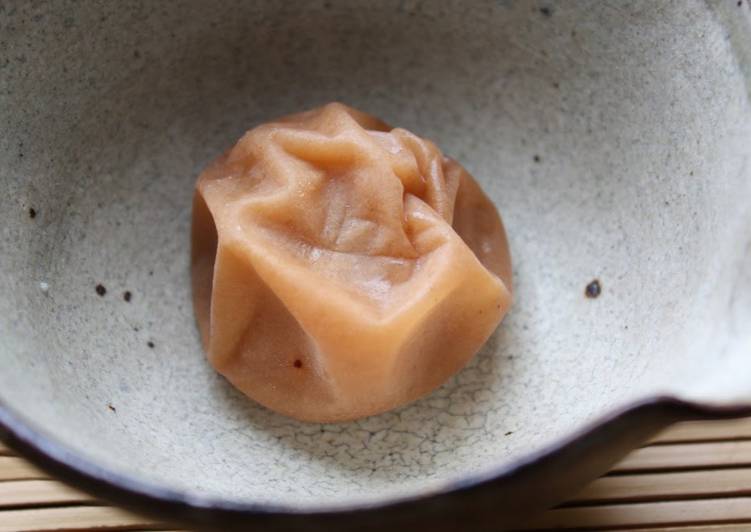
Sodium-Reduced Umeboshi. Traditional (non-reduced sodium versions) umeboshi are roughly one quarter salt. Homemade umeboshi is so much more delicious than store bought, so they are worth the effort. In Japan, umeboshi are always made in mid to late June, because that's when the ume plums are ready.
 CHINRIU Low Sodium Classic Umeboshi Plums. Umeboshi and Ume plum products are a rich part of Asian culture. You will be introduced to an aromatic herb, Perilla frutescens, along with the historic and breathtaking Prunus mume plum tree. You can cook Sodium-Reduced Umeboshi using 3 ingredients and 11 steps. Here is how you cook it.
Ingredients of Sodium-Reduced Umeboshi
- You need of Ripe ume plums (unblemished ones).
- It’s of Coarse salt.
- You need of White liquor.
Umeboshi are the fruit of the ume tree, a relative of the apricot and the plum Umeboshi has a flavor that is quite strong, so it's often found as an addition to a meal of white rice. How To Make Umeboshi-Japanese Salt Plums Umeboshi from Apricots Umeboshi often translated into English as Japanese Salt Plums. The umeboshi plums have an alkalizing effect on the body, as both the shiso leaves, the citric acid and the fermentation process form a triple-punch of health benefits that help to combat and eliminate.
Sodium-Reduced Umeboshi step by step
- Select only the unblemished fruit from the ripe ume plums you have, and wash them in water. There's no need to soak the plums to remove their bitterness. Unripe ume plums should not be used, since they won't become soft..
- Wipe each washed plum one by one carefully using paper towels. Pry out the stem ends with a bamboo skewer..
- Measure the ume plums, and then measure out 8% of their weight in coarse salt..
- Put the ume plums from Step 2 into brand new poly bags, and sprinkle them with the coarse salt. Sprinkle in the white liquor too. Close up the bags with elastic bands while expressing the air out of them..
- Put the filled bags from Step 4 in a large tub (a packing box is fine). Put plates or pot lids on them, and add light weights (1 to 2 kg). Unopening salt or sugar boxes are convenient weights..
- Put the container in a place where you can take a look at it frequently until a lot of liquid (ume-su) comes out of the ume plums. Once the liquid comes out, lighten the weights so that the plums don't get crushed..
- When the plums are completely immersed in the liquid, you don't need to weight them down anymore. Leave the bags as is in the container until the rainy season has ended (after June)..
- When the rainy season has ended, dry the umeboshi in a sunny place for 3 days. You can put the plums back in the liquid if you like, but since they are soft and juicy anyway, I just took them inside..
- Don't let the umeboshi become wet! Watch out for sudden rains or evening thunderstorms..
- Done!.
- I used these large ziplock bags, to make 1.5 kg batches of umeboshi. They will exude a lot of liquid (ume-su) in 2 to 3 days. Line them up with the zip side up in a packing box. Take the weights off once the plums are immersed in liquid..
Umeboshi paste and vinegar are made from a Japanese pickled plum. It's a very traditional medicinal food and is also used in a lot of macrobiotic cooking. Umeboshi plums are said to alkalize the body. How strong is the science on the benefits of sodium reduction? A wide variety of sodium reduced options are available to you, such as.