
3 Different Types of Ponzu. Ponzu: An Introduction. Смотреть позже. Поделиться. Programming and computer systems videos, typically on the subjects of the Go programming language, Ponzu CMS, and different ways to use them. This way Ponzu developers have access to both of these individually to use as needed, rather than hiding them inside the HTTP handlers.
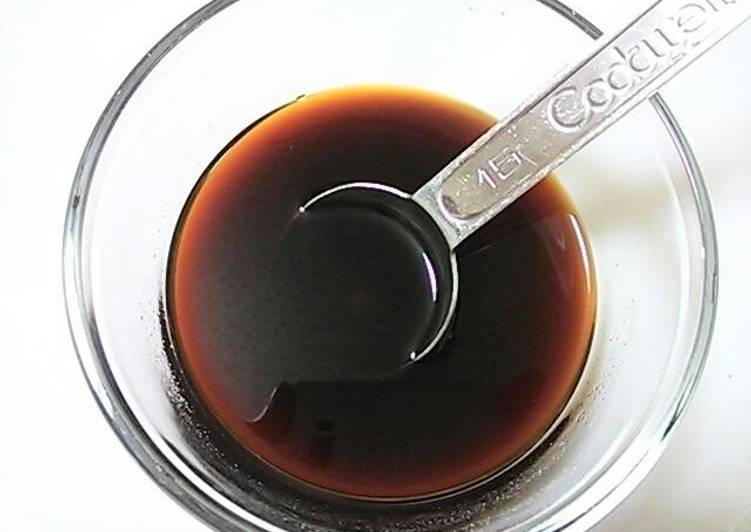 Besides all the blood, you'll probably feel an immediate sharp pain, followed by a longer-lasting dull ache." What is the Difference Between Nociceptive "There are two main types of pain, known as nociceptive and neuropathic pain. Each of these has particular characteristics that define the type of. I was the victim of a ponzu scheme at a Japanese restaurant when I asked for low-sodium soy sauce and they gave me regular soy sauce. You can have 3 Different Types of Ponzu using 17 ingredients and 10 steps. Here is how you achieve it.
Ingredients of 3 Different Types of Ponzu
- You need of Basic Flavored Ponzu Sauce.
- You need 1 bag of Dashi stock (in a tea bag).
- You need 10 of cm Konbu.
- It’s 200 ml of Soy sauce.
- It’s 250 ml of Mild rice vinegar.
- Prepare of Luxurious Citrus Juice Ponzu Sauce.
- It’s 1 bag of Dashi stock (in a tea bag).
- It’s 10 of cm Konbu.
- It’s 150 ml of Soy sauce.
- Prepare 150 ml of Fruit juice of your choice (100% juice).
- You need 100 ml of Mirin.
- It’s of Instant Flavored Ponzu Sauce.
- You need 5 tbsp of Soy sauce.
- It’s 5 tbsp of Rice vinegar.
- Prepare 1 tbsp of Citrus fruit juice of your choice (100% juice).
- Prepare 1 tbsp of Mirin.
- Prepare 1/2 tsp of Konbu tea (powdered).
Because we respect your right to privacy, you can choose not to allow some types of cookies. Click on the different category headings to find out more and change. If there is a particular form of irony you want to explore further, just follow the navigation below. • More about the Different Types of Pronouns. Three Types of Rock Part of Hall of Planet Earth.
3 Different Types of Ponzu instructions
- For the flavored ponzu sauce: Pour the mild vinegar over the dashi "tea bag" and the konbu seaweed..
- Add the soy sauce, cover the bowl tightly with plastic wrap, and let it rest for a while at room temperature. Take the konbu and dashi bag out the next day, transfer to a storage jar and refrigerate..
- This flavored ponzu sauce is mild and goes with all kinds of food. When using it as a dipping sauce for hot pots, squeeze in a little citrus juice from any citrus in season, and it will smell wonderful..
- For the luxurious citrus juice ponzu sauce, put the dashi "tea bag" and konbu seaweed in a bowl..
- Squeeze the citrus juice of your choice, strain out the seeds and pulp, and pour it slowly into the bowl..
- Add the soy sauce and mirin, cover the bowl tightly with plastic wrap, and let it rest for a while at room temperature. Take the konbu and dashi bag out the next day, transfer to a storage jar and refrigerate..
- Flavored ponzu sauce made with 100% citrus juice is really delicious. The mirin takes the edge off the sourness and saltiness of the other ingredients..
- Instant flavored ponzu sauce: Mix all the ingredients together. You can use dashi stock granules (of any type) instead of the konbu tea powder..
- These sauces are all easy to make and can be used right away, so it's really handy to keep these recipes in mind. If you use the mild vinegar mentioned in Step 1, the ponzu sauce will be mild and well rounded in flavor even without letting it rest..
- You can use regular rice vinegar, but the ponzu sauce will be very sour. You may prefer to use mixed grain vinegar instead, which isn't as strong..
There are three kinds of rock: igneous, sedimentary, and metamorphic. Igneous rocks form when molten rock (magma or lava) cools and solidifies. One type of tectonic plate boundary — a boundary separates the large plates composing Earth's surface — is the convergent boundary. Tectonic plates are in constant, although extremely slow, movement. Their movements cause land to separate, islands to form, mountains to rise, water to.